
Cooking & Baking calculator
Bread Flour per Loaf Calculator
Key fact: Required quantity: 2200 g (Loaves: 4; Flour per loaf: 500 g; Extra allowance: 10 %; Pack size: 1500 g). Worked example from this calculator's default values, updated 26 November 2026.
Method and practical checks
- The example is 500 g flour per loaf. Include starter flour and bench flour explicitly or in the allowance; do not confuse flour with total dough mass.
Amazon
Recommended supplies
As an Amazon Associate I earn from qualifying purchases.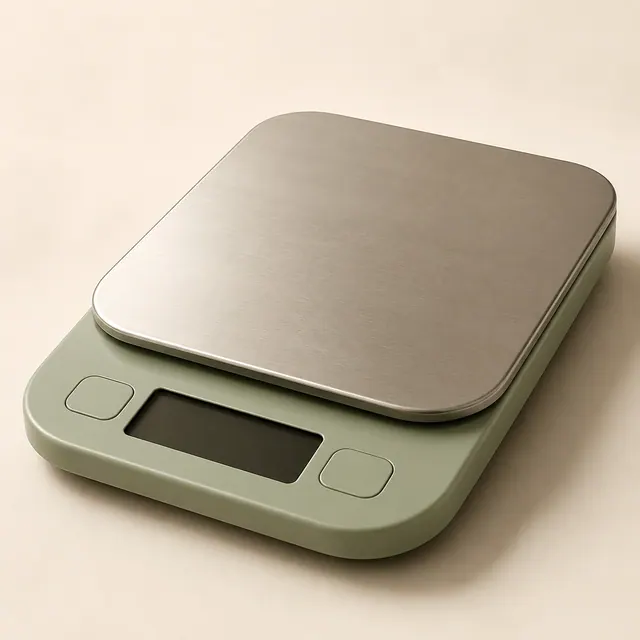
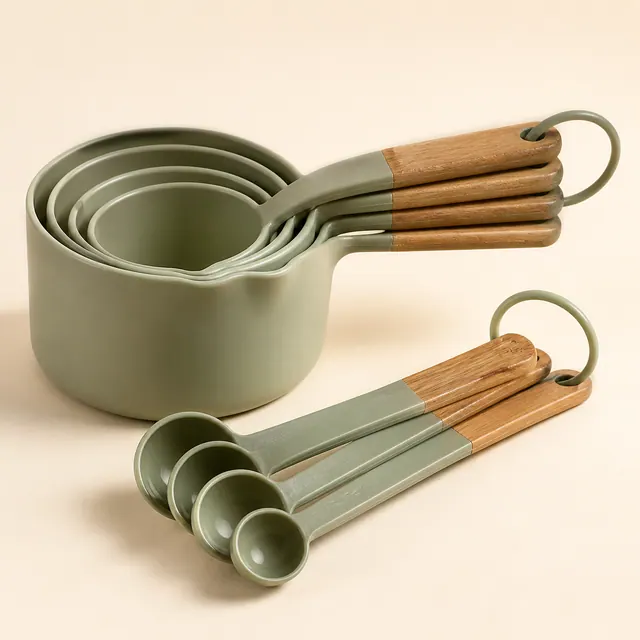

Your measurements and assumptions
Use the actual product label and your measured quantities. Starting values are editable examples, not universal rates or product specifications. Keep the units beside each input.
| Loaves | 4 | |
|---|---|---|
| Flour per loaf | 500 | g |
| Extra allowance | 10 | % |
| Pack size | 1500 | g |
Method and assumptions
Scale factor = target servings ÷ original servings. Each row retains its own unit; do not enter a gram quantity with a kilogram pack size.
Ingredient cost values only the amount used. Purchase cost rounds each ingredient to whole packs, assuming no existing stock. Salt, leavening and cooking times may need recipe-specific adjustment.
The scale factor applies to quantity, not cooking temperature or cooking time. For fractional eggs, beat and weigh the required amount where the recipe allows.
This is arithmetic portioning, not a nutrition or appetite recommendation. Finished mass can differ from raw ingredient mass.
Use the same currency for all ingredients. Energy, labour and packaging are excluded unless included in your entered total.
Use raw dough weight, not baked loaf weight. Baking changes moisture; allowance is an explicit preparation margin.
Example with the selected inputs
- Required quantity: 2200 g
- Packs to buy: 2
- Purchase quantity: 3000 g
- Left over: 800 g
Change the inputs to match your own task. Whole packages are rounded up after allowances, so purchase quantity and actual requirement can differ. Apply each allowance once.
Worked example
With Loaves: 4; Flour per loaf: 500 g; Extra allowance: 10 %; Pack size: 1500 g, the calculator returns Required quantity: 2200 g.
| Inputs | Changed input |
|---|---|
| Loaves | 4 |
| Flour per loaf | 500 g |
| Extra allowance | 10 % |
| Pack size | 1500 g |
| Calculated result | Changed input |
|---|---|
| Required quantity | 2200 g |
| Packs to buy | 2 |
| Purchase quantity | 3000 g |
| Left over | 800 g |
Method and assumptions
Common-value reference
The reference cases change only Loaves. The remaining inputs stay at the displayed values. These are worked scenarios, not universal rates, dimensions, product specifications or current shop prices.
| Loaves | Required quantity |
|---|---|
| Loaves: 4 | Required quantity: 2200 g |
| Loaves: 8 | Required quantity: 4400 g |
| Loaves: 10 | Required quantity: 5500 g |
| Loaves: 12 | Required quantity: 6600 g |
| Loaves: 20 | Required quantity: 11000 g |
Questions and answers
How is this example calculated?
In the displayed example, Loaves: 4; Flour per loaf: 500 g; Extra allowance: 10 %; Pack size: 1500 g. The calculated outputs are Required quantity: 2200 g; Packs to buy: 2; Purchase quantity: 3000 g; Left over: 800 g. Keep the labels and units with these numbers: they describe this particular combination of inputs, not a result that can be reused after the measurements or assumptions change.
What changes when I edit Loaves?
The table isolates that input while keeping the other displayed settings fixed. For Loaves: 8, the result is Required quantity: 4400 g; for Loaves: 20, it is Required quantity: 11000 g. Those values come from the same calculator used on this page. They show the effect of changing the input, rather than prescribing which input is right for your own task.
How should I use the different result figures?
Read each named quantity separately: Required quantity: 2200 g; Packs to buy: 2; Purchase quantity: 3000 g; Left over: 800 g. A value with a different label or unit answers a different part of the calculation. Check the measurements and assumptions before using any figure. The reference cases explain the arithmetic under their stated conditions; they do not verify a product label, a recipe or the conditions of a particular project.