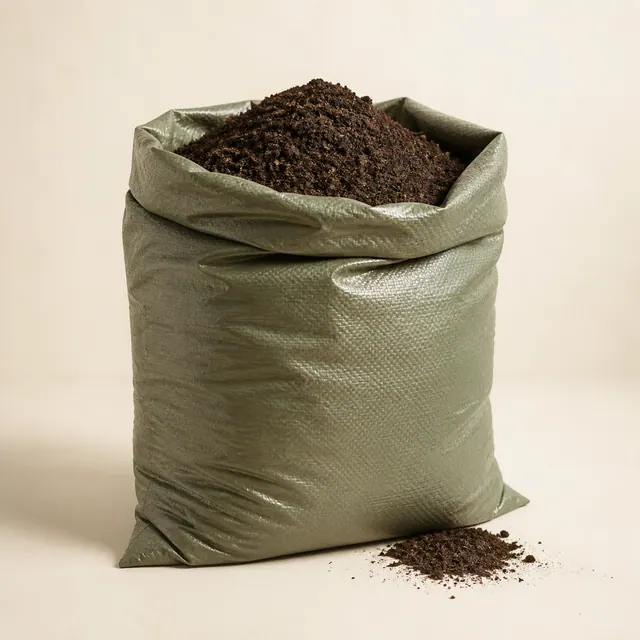
Choose soil by intended use, usable volume and delivery format after calculating the quantity.
Match the mix to the job
Raised beds, containers, lawns and top-dressing have different structure and drainage needs. Read the product's intended use and ingredients rather than relying on a broad soil label.
Compare usable volume
Compare bags by litres and bulk products by cubic metres. Convert the calculated requirement to the same unit before comparing prices, then round up only to whole packs or delivery increments.
Plan delivery and storage
Bulk material can be economical but needs clean access and a protected place to unload. Bagged soil is easier to handle in stages but can cost more per litre.
Practical checklist
Keep soil products dry until use.
Check local guidance before using compost around sensitive crops.
Babushka Picks
A short list for the next step
Start with the essential item, add the useful option when it improves the job, and treat the final choice as optional.
Use the values and units in the worked example below; change the assumptions for your own project.
Pre-filled values: Soil & compost
Input
Value
Material
Soil
Measured sections
Length 5 m, Width 4 m
Fill depth
10 cm
Additional loose fill
10 %
Pack size
40 L
Calculated result
Result
Value
Net volume
2 m³
Loose volume
2.2 m³
Loose volume in cubic feet
77.692 ft³
Required quantity
2,200 L
Packs to buy
55
Purchase quantity
2,200 L
Left over
0 L
Questions and answers
How does Garden Soil Buying Guide work?
Choose an application depth for your material and project. Volume = total area × depth. Extra loose fill is an editable allowance for uneven ground and settlement, not a universal compaction factor.
What does the worked example show?
Inputs: Material: Soil; Measured sections: Length 5 m, Width 4 m; Fill depth: 10 cm; Additional loose fill: 10 %; Pack size: 40 L. Result: Net volume: 2 m³; Loose volume: 2.2 m³; Loose volume in cubic feet: 77.692 ft³; Required quantity: 2,200 L; Packs to buy: 55; Purchase quantity: 2,200 L; Left over: 0 L.
What should I check before using the result?
Volume = total area × depth. Extra loose fill is an editable allowance for uneven ground and settlement, not a universal compaction factor.
Example from an existing calculator
Soil Volume and Bags Calculator | Babushka Market. This worked example demonstrates the calculation in the linked tool. Its displayed assumptions apply to that example; use the guidance above to decide which measurements, product specifications or quantities belong to your own task.
Worked example
With Material: Soil; Length: 5 m; Width: 4 m; Fill depth: 10 cm; Additional loose fill: 10 %; Pack size: 40 L, the calculator returns Net volume: 2 m³.
Inputs
Inputs
Changed input
Material
Soil
Length
5 m
Width
4 m
Fill depth
10 cm
Additional loose fill
10 %
Pack size
40 L
Calculated result
Calculated result
Changed input
Net volume
2 m³
Loose volume
2.2 m³
Loose volume in cubic feet
77.692 ft³
Required quantity
2200 L
Packs to buy
55
Purchase quantity
2200 L
Left over
0 L
Method and assumptions
Volume = total area × depth. Extra loose fill is an editable allowance for uneven ground and settlement, not a universal compaction factor.
Common-value reference
The reference cases change only Fill depth. The remaining inputs stay at the displayed values. These are worked scenarios, not universal rates, dimensions, product specifications or current shop prices.
Common-value reference
Fill depth
Net volume
Fill depth: 10 cm
Net volume: 2 m³
Fill depth: 3 cm
Net volume: 0.6 m³
Fill depth: 5 cm
Net volume: 1 m³
Fill depth: 15 cm
Net volume: 3 m³
Fill depth: 20 cm
Net volume: 4 m³
Questions and answers
How is this example calculated?
Volume = total area × depth. Extra loose fill is an editable allowance for uneven ground and settlement, not a universal compaction factor. In the displayed example, Material: Soil; Length: 5 m; Width: 4 m; Fill depth: 10 cm; Additional loose fill: 10 %; Pack size: 40 L. The calculated outputs are Net volume: 2 m³; Loose volume: 2.2 m³; Loose volume in cubic feet: 77.692 ft³; Required quantity: 2200 L. Keep the labels and units with these numbers: they describe this particular combination of inputs, not a result that can be reused after the measurements or assumptions change.
What changes when I edit Fill depth?
The table isolates that input while keeping the other displayed settings fixed. For Fill depth: 3 cm, the result is Net volume: 0.6 m³; for Fill depth: 20 cm, it is Net volume: 4 m³. Those values come from the same calculator used on this page. They show the effect of changing the input, rather than prescribing which input is right for your own task.
How should I use the different result figures?
Read each named quantity separately: Net volume: 2 m³; Loose volume: 2.2 m³; Loose volume in cubic feet: 77.692 ft³; Required quantity: 2200 L. A value with a different label or unit answers a different part of the calculation. Check the measurements and assumptions before using any figure. The reference cases explain the arithmetic under their stated conditions; they do not verify a product label, a recipe or the conditions of a particular project.