Calculate bed volume from area and depth, allow for settlement, convert to bags or bulk tonnes, and choose the right soil product for the job.
Convert depth, then multiply
A 10 cm depth is 0.1 m. Length × width × depth in metres gives cubic metres, and 1 m³ is 1,000 litres. Calculate beds with different depths separately.
Worked example
A 5 × 4 m bed filled 10 cm deep holds 2 m³. Loose soil settles, so a 10% settlement allowance raises the order to 2.2 m³, or 2,200 L. That is 55 bags of 40 L. Bulk soil is often sold by weight: at an assumed 1.3 t/m³ the same volume is about 2.86 t. Density varies with the product and its moisture, so ask the supplier for the figure.
Match the product to the job
Topsoil, raised-bed mixes, container compost and lawn top-dressing differ in structure and drainage. Read the product’s intended use and ingredients rather than relying on a general “soil” label.
Bags or bulk
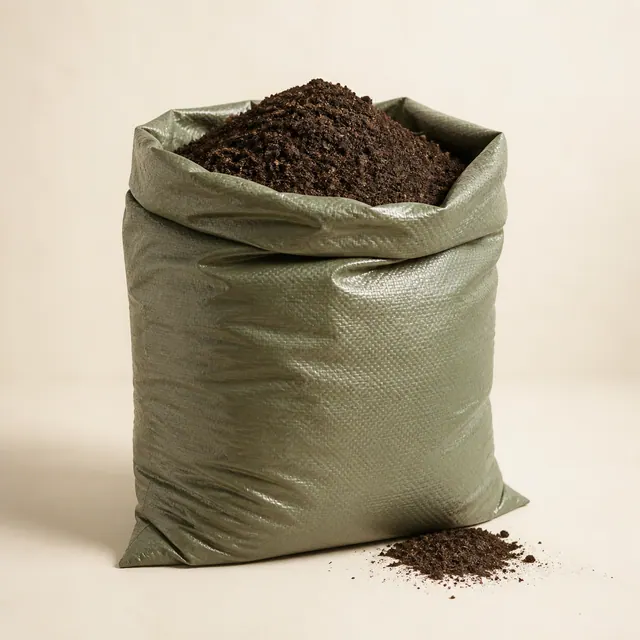
Compare bags by litres and bulk by cubic metres or tonnes, using the same unit for both. Bulk is often cheaper for large volumes but needs clear access and a protected place to tip the load. Bags are easier to move in stages but usually cost more per litre.
Practical checklist
Allow for settlement without burying plant crowns.
Keep bagged products dry until use.
Plan delivery access before ordering bulk material.
Babushka Picks
A short list for the next step
Start with the essential item, add the useful option when it improves the job, and treat the final choice as optional.
One cubic metre is 1,000 litres. A bed measuring 2 × 1 × 0.3 m requires 0.6 m³, or 600 L, before allowance or existing material. The tool calculates volume; bag weight varies with the material and moisture and is not a reliable substitute for labelled litres.
Should I fill the entire measured depth with new soil?
Subtract usable existing material where the chosen mode allows it. Consider the desired finished level and whether the product settles, but enter any settling allowance explicitly. The calculator does not prescribe a suitable soil mixture for a particular plant or drainage problem.
Calculation/content reviewed 4 October 2026. Source: Babushka Market’s displayed formulas, units and labelled editable assumptions. How the estimates work