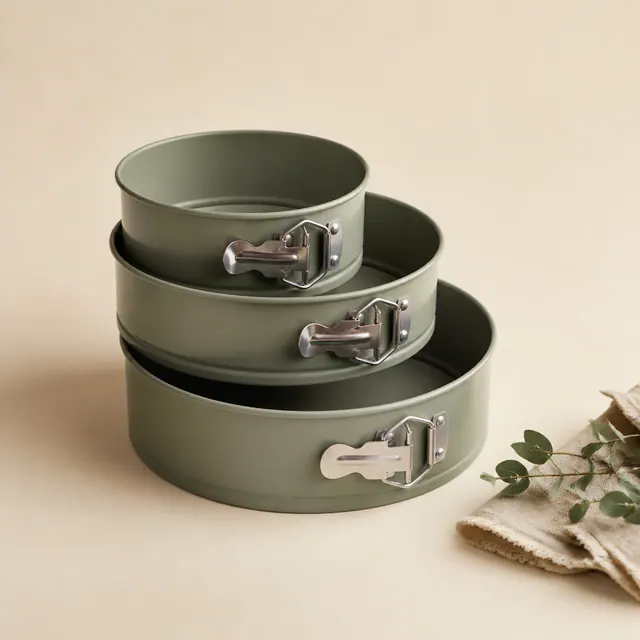
Understand how metal colour, glass, silicone and pan depth affect observation and timing.
Metal colour changes browning
Dark finishes can absorb heat more readily and may brown edges faster than light-coloured metal. Follow the recipe and pan-maker guidance rather than applying an automatic adjustment.
Glass and silicone behave differently
Glass retains heat and silicone is flexible and less conductive. Support flexible pans properly and use only products rated for the required oven temperature.
Depth changes timing
The same batter spread into a wider or shallower pan usually cooks differently from a deeper layer. Use the converter for quantity, then begin checking doneness appropriately for the new geometry.
Practical checklist
Verify oven temperature with a suitable thermometer when accuracy matters.
Do not exceed the pan manufacturer’s temperature limit.
Babushka Picks
A short list for the next step
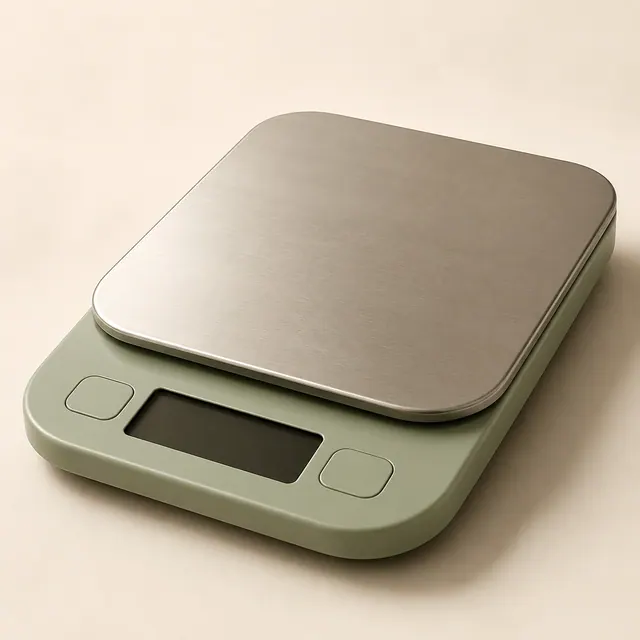
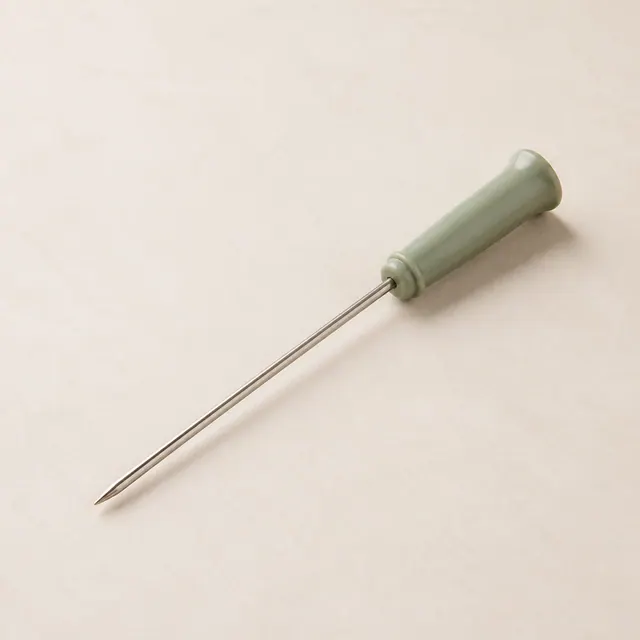
Start with the essential item, add the useful option when it improves the job, and treat the final choice as optional.
Use the values and units in the worked example below; change the assumptions for your own project.
Pre-filled values: Temperature
Input
Value
Temperature
180
Temperature scale
°C
Source oven
Conventional
Conventional-to-fan reduction
20 °C
Calculated result
Result
Value
Same temperature in Celsius
180 °C
Same temperature in Fahrenheit
356 °F
Conventional setting
180 °C
Estimated fan setting
160 °C
Nearest chart gas mark
4
Chart conventional temperature
180 °C
Questions and answers
How does Baking Temperature and Pan Material Guide work?
Choose the source scale and oven type; the fan adjustment is an editable rule of thumb. Celsius and Fahrenheit conversion is exact. Oven-type adjustment is not: follow an explicit recipe or appliance setting when available. Gas marks are approximate chart settings, not a linear scale. The nearest chart entry is shown only within the supported range, alongside its conventional temperature. Supported range: 0 to 1000 degrees in the chosen scale, for oven settings only. Values below 0, such as freezer temperatures, are rejected rather than converted.
What does the worked example show?
Inputs: Temperature: 180; Temperature scale: °C; Source oven: Conventional; Conventional-to-fan reduction: 20 °C. Result: Same temperature in Celsius: 180 °C; Same temperature in Fahrenheit: 356 °F; Conventional setting: 180 °C; Estimated fan setting: 160 °C; Nearest chart gas mark: 4; Chart conventional temperature: 180 °C.
What should I check before using the result?
Supported range: 0 to 1000 degrees in the chosen scale, for oven settings only. Values below 0, such as freezer temperatures, are rejected rather than converted.
Example from an existing calculator
Oven Temperature Converter | Babushka Market. This worked example demonstrates the calculation in the linked tool. Its displayed assumptions apply to that example; use the guidance above to decide which measurements, product specifications or quantities belong to your own task.
Worked example
With Temperature: 180; Temperature scale: °C; Source oven: Conventional; Conventional-to-fan reduction: 20 °C, the calculator returns Same temperature in Celsius: 180 °C.
Inputs
Inputs
Changed input
Temperature
180
Temperature scale
°C
Source oven
Conventional
Conventional-to-fan reduction
20 °C
Calculated result
Calculated result
Changed input
Same temperature in Celsius
180 °C
Same temperature in Fahrenheit
356 °F
Conventional setting
180 °C
Estimated fan setting
160 °C
Nearest chart gas mark
4
Chart conventional temperature
180 °C
Method and assumptions
Celsius and Fahrenheit conversion is exact. Oven-type adjustment is not: follow an explicit recipe or appliance setting when available. Gas marks are approximate chart settings, not a linear scale. The nearest chart entry is shown only within the supported range, alongside its conventional temperature. Supported range: 0 to 1000 degrees in the chosen scale, for oven settings only. Values below 0, such as freezer temperatures, are rejected rather than converted.
Common-value reference
The reference cases change only Temperature. The remaining inputs stay at the displayed values. These are worked scenarios, not universal rates, dimensions, product specifications or current shop prices.
Common-value reference
Temperature
Same temperature in Celsius
Temperature: 180
Same temperature in Celsius: 180 °C
Temperature: 160
Same temperature in Celsius: 160 °C
Temperature: 170
Same temperature in Celsius: 170 °C
Temperature: 190
Same temperature in Celsius: 190 °C
Temperature: 200
Same temperature in Celsius: 200 °C
Questions and answers
How is this example calculated?
Celsius and Fahrenheit conversion is exact. Oven-type adjustment is not: follow an explicit recipe or appliance setting when available. Gas marks are approximate chart settings, not a linear scale. The nearest chart entry is shown only within the supported range, alongside its conventional temperature. Supported range: 0 to 1000 degrees in the chosen scale, for oven settings only. Values below 0, such as freezer temperatures, are rejected rather than converted. In the displayed example, Temperature: 180; Temperature scale: °C; Source oven: Conventional; Conventional-to-fan reduction: 20 °C. The calculated outputs are Same temperature in Celsius: 180 °C; Same temperature in Fahrenheit: 356 °F; Conventional setting: 180 °C; Estimated fan setting: 160 °C. Keep the labels and units with these numbers: they describe this particular combination of inputs, not a result that can be reused after the measurements or assumptions change.
What changes when I edit Temperature?
The table isolates that input while keeping the other displayed settings fixed. For Temperature: 160, the result is Same temperature in Celsius: 160 °C; for Temperature: 200, it is Same temperature in Celsius: 200 °C. Those values come from the same calculator used on this page. They show the effect of changing the input, rather than prescribing which input is right for your own task.
How should I use the different result figures?
Read each named quantity separately: Same temperature in Celsius: 180 °C; Same temperature in Fahrenheit: 356 °F; Conventional setting: 180 °C; Estimated fan setting: 160 °C. A value with a different label or unit answers a different part of the calculation. Check the measurements and assumptions before using any figure. The reference cases explain the arithmetic under their stated conditions; they do not verify a product label, a recipe or the conditions of a particular project.