
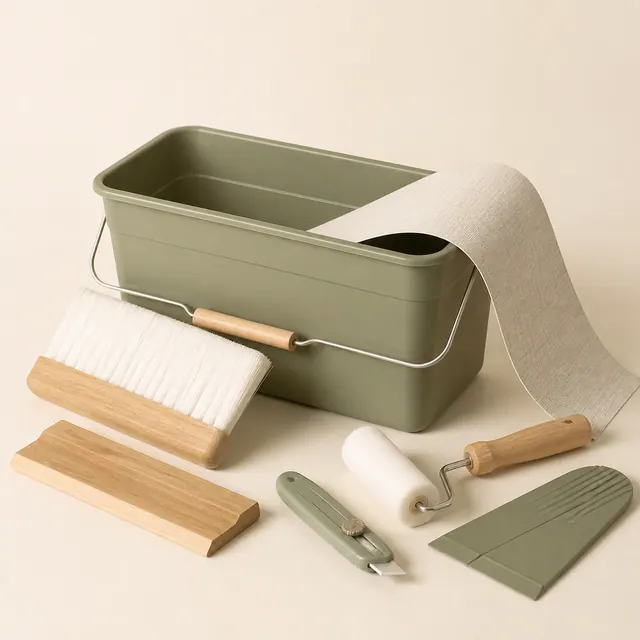
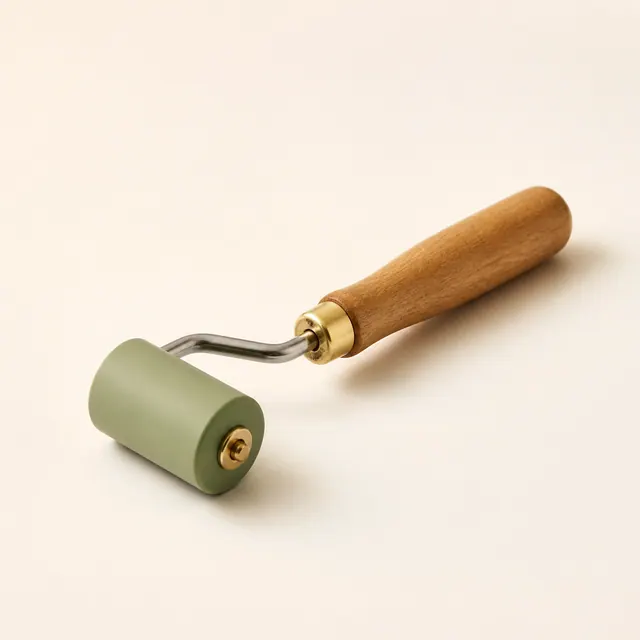
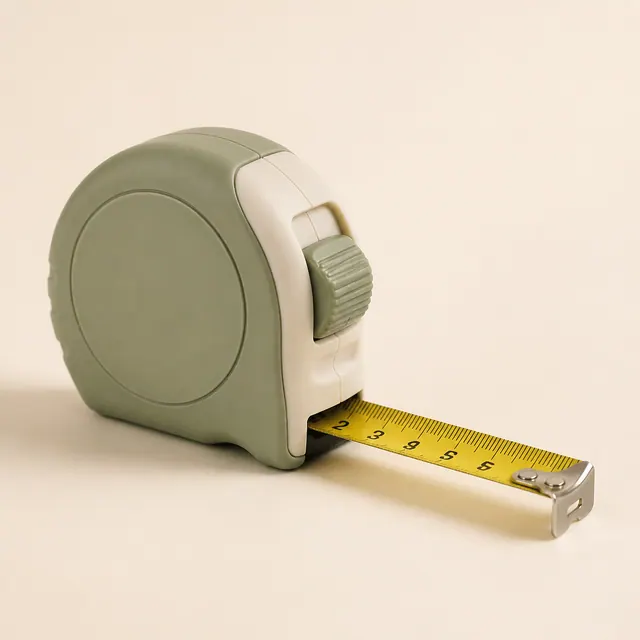
- Full strips per roll are rounded down.
- The repeat model covers straight matching.
Home & DIY calculator
Wallpaper Calculator
Key fact: Cut length per strip: 2.6 m (Wall run: 18 m; Wall height: 2.5 m; Roll width: 0.53 m; Roll length: 10 m; Pattern repeat: 0 cm; …). Worked example from this calculator's default values, updated 26 November 2026.
What does a worked calculation look like?
With 2.5 m walls and 10 cm trim, each strip is cut at 2.6 m, so a 10 m roll gives 3 full strips. An 18 m perimeter needs 18 ÷ 0.53 = 33.96, rounded up to 34 strips, plus one spare: 35 strips, or 12 rolls.
Method and practical checks
- Cut length is height plus trim, rounded up to a whole pattern repeat. Full strips per roll are rounded down.
- The repeat model covers straight matching. Offset/drop matches require the manufacturer’s cutting plan; do not reuse short offcuts as full drops.
Amazon
Recommended supplies
As an Amazon Associate I earn from qualifying purchases.How the Wallpaper Calculator works
Worked example
| Input | Value |
|---|---|
| Wall run | 18 m |
| Wall height | 2.5 m |
| Roll width | 0.53 m |
| Roll length | 10 m |
| Pattern repeat | 0 cm |
| Trim per strip | 10 cm |
| Spare strips | 1 |
| Result | Value |
|---|---|
| Cut length per strip | 2.6 m |
| Strips required | 35 |
| Full strips per roll | 3 |
| Rolls to buy | 12 |
| Remainder per roll | 2.2 m |
Reading the result
- Pattern repeat changes the result more than anything else: a 64 cm repeat raises the cut length from 2.6 m to 3.2 m.
- Offcuts shorter than a full drop are not counted, because they can only be used above doors or below windows.
- Buy all rolls with the same batch number; shades can differ between batches.
Worked example
With Wall run: 18 m; Wall height: 2.5 m; Roll width: 0.53 m; Roll length: 10 m; Pattern repeat: 0 cm; Trim per strip: 10 cm; Spare strips: 1, the calculator returns Cut length per strip: 2.6 m.
| Inputs | Changed input |
|---|---|
| Wall run | 18 m |
| Wall height | 2.5 m |
| Roll width | 0.53 m |
| Roll length | 10 m |
| Pattern repeat | 0 cm |
| Trim per strip | 10 cm |
| Spare strips | 1 |
| Calculated result | Changed input |
|---|---|
| Cut length per strip | 2.6 m |
| Strips required | 35 |
| Full strips per roll | 3 |
| Rolls to buy | 12 |
| Remainder per roll | 2.2 m |
Method and assumptions
Full strips per roll are rounded down. The repeat model covers straight matching.
Common-value reference
The reference cases change only Wall run. The remaining inputs stay at the displayed values. These are worked scenarios, not universal rates, dimensions, product specifications or current shop prices.
| Wall run | Cut length per strip |
|---|---|
| Wall run: 18 m | Cut length per strip: 2.6 m |
| Wall run: 9 m | Cut length per strip: 2.6 m |
| Wall run: 27 m | Cut length per strip: 2.6 m |
| Wall run: 36 m | Cut length per strip: 2.6 m |
| Wall run: 54 m | Cut length per strip: 2.6 m |
Questions and answers
How is this example calculated?
Full strips per roll are rounded down. The repeat model covers straight matching. In the displayed example, Wall run: 18 m; Wall height: 2.5 m; Roll width: 0.53 m; Roll length: 10 m; Pattern repeat: 0 cm; Trim per strip: 10 cm; Spare strips: 1. The calculated outputs are Cut length per strip: 2.6 m; Strips required: 35; Full strips per roll: 3; Rolls to buy: 12. Keep the labels and units with these numbers: they describe this particular combination of inputs, not a result that can be reused after the measurements or assumptions change.
What changes when I edit Wall run?
The table isolates that input while keeping the other displayed settings fixed. For Wall run: 9 m, the result is Cut length per strip: 2.6 m; for Wall run: 54 m, it is Cut length per strip: 2.6 m. Those values come from the same calculator used on this page. They show the effect of changing the input, rather than prescribing which input is right for your own task.
How should I use the different result figures?
Read each named quantity separately: Cut length per strip: 2.6 m; Strips required: 35; Full strips per roll: 3; Rolls to buy: 12. A value with a different label or unit answers a different part of the calculation. Check the measurements and assumptions before using any figure. The reference cases explain the arithmetic under their stated conditions; they do not verify a product label, a recipe or the conditions of a particular project.
Why does pattern repeat increase the roll count?
Matching a pattern can discard part of each cut length. The calculation rounds the required drop to the repeat before counting usable drops per roll. Enter the roll's actual dimensions and match information; comparing wall area with roll area misses those cutting losses.
Can every offcut cover a door or window?
Only if its size, pattern position and orientation fit that location. The conservative layout does not assume perfect reuse of all scraps. Check the hanging plan before reducing the order, and keep rolls from one production batch where the manufacturer recommends it.
Which wall measurement controls the cutting length?
The wall height, trimming allowance and pattern repeat control the length of each wallpaper drop. The wall width controls how many drops are needed at the selected roll width. Measure each wall and use the actual product dimensions; floor area alone cannot establish the number of wallpaper rolls to buy.
Calculation/content reviewed 4 October 2026. Source: Babushka Market’s displayed formulas, units and labelled editable assumptions. How the estimates work