Measure each floor section
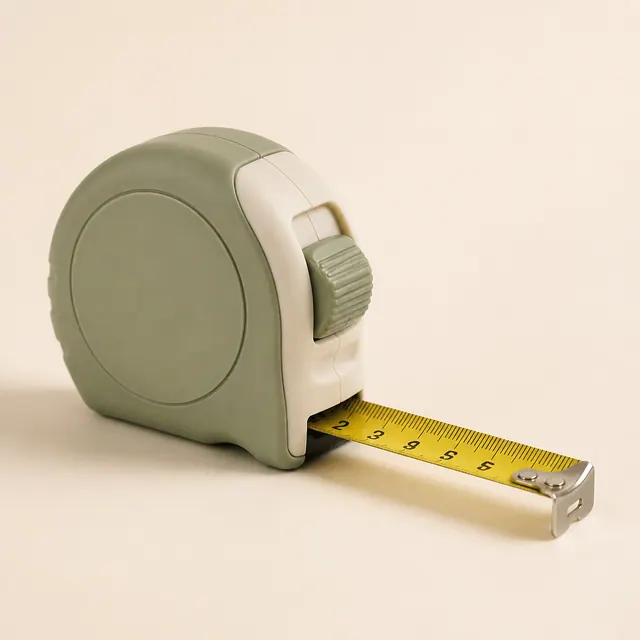
Split L-shaped or irregular rooms into rectangles and add them up. Include bay windows, recesses and the space under door thresholds. Leave out fixed units only if the flooring will not run beneath them.
Worked example
A 5 × 4 m room is 20 m². With a 10% allowance the requirement is 22 m², which in 2.2 m² packs is 10 packs. Check the pack coverage printed on the product you are buying; it varies widely between products.
Why flooring waste occurs
The offcut from the end of one row may be too short to start the next, some boards are damaged or visually unsuitable, and irregular rooms create more short pieces. A diagonal layout, or one continuous run through several rooms, usually needs more material than a square room laid straight. Use the manufacturer’s stated minimum allowance when it gives one.
Keep a repair reserve
A few matching boards are valuable if one is damaged after the product is discontinued. Treat that reserve as separate from installation waste so it is not used up during fitting.
Practical checklist
- Keep batch numbers consistent across all packs.
- Calculate packs only after applying the allowance to the total area.
- Buy underlay by its own roll coverage, not the flooring figure.