Convert cups and grams in either direction with an explicit cup size and ingredient-specific working estimates.
Method and practical checks
The retained ingredient table uses working estimates per 240 ml recipe cup. Other cup sizes scale those estimates by volume; they do not make ingredient density exact.
Spoon flour into the cup and level it without compacting. Brown sugar uses a packed measure; powdered sugar and cocoa vary with sifting. A scale is preferable when precision matters.
Ingredient type, moisture and filling method change the result. Grams measure mass, while cups measure volume; there is no universal conversion factor.
As an Amazon Associate I earn from qualifying purchases.
Formula and measuring method
These are the calculator’s fixed working estimates, not universal weights or laboratory measurements. The table and your result use the same factors. A different brand, moisture level or measuring technique can give a different weight.
Measuring flour
The flour selector distinguishes all-purpose, bread and whole wheat flour. Choose the flour named in the recipe; conversion is not a flour-substitution rule. To measure by volume, loosen the flour, spoon it into the cup and level the top without pressing it down. Scooping with the cup can compact the flour.
Should I sift the flour before measuring?
Follow the order in the recipe. Measuring a cup and then sifting is not the same as filling a cup with already-sifted flour. This calculator has no setting for sifting, so prefer the recipe’s gram amount when that distinction matters.
Can I use the bread-flour factor to replace all-purpose flour?
The tool only converts volume to estimated mass. It does not compensate for protein content, water absorption or how the dough behaves. Use a recipe intended for your flour or follow its substitution guidance.
Measuring sugar
Granulated, packed brown and powdered sugar are different measuring cases. The brown-sugar factor assumes packing; the powdered-sugar factor is not a factor for a compressed cup. Choosing the right sugar changes the estimated mass, but it does not establish that one sugar will behave like another in a recipe.
Why does brown sugar use a higher factor?
The 220 g factor assumes a packed cup. Loose brown sugar can leave more air between particles and weigh less in the same cup. Check whether your recipe says packed.
Can I replace powdered sugar with the same cup of granulated sugar?
Not on the basis of this conversion. This table estimates 120 g for a cup of powdered sugar and 200 g for granulated sugar. Their texture and recipe function also differ; a mass conversion is not a substitution instruction.
Converting grams back to cups
Use this direction when your recipe gives a weight but you only have measuring cups. Divide by the ingredient’s grams-per-cup factor, rather than multiplying. A result such as 1.5 cups describes volume, not a new gram weight. The conversion cannot make loosely filled flour as repeatable as weighing it.
Why do 200 grams give different cup amounts?
The divisor changes with the ingredient. With this table, 200 g of granulated sugar is 1 cup, while 200 g of all-purpose flour is about 1.667 cups.
Does 1.667 cups mean 1 cup plus 0.667 grams?
No. The entire result is in cups; 1.667 is approximately 1⅔ cups. Use suitable fractional measuring cups or, preferably, keep the original gram measurement.
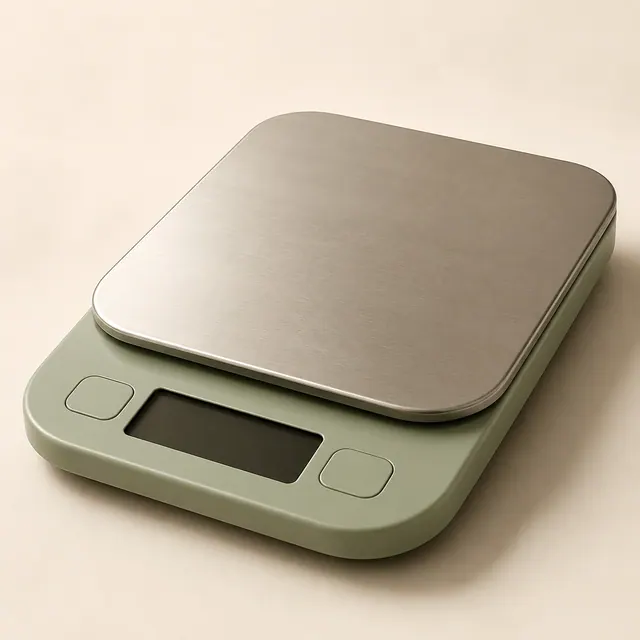
Put the empty bowl on a kitchen scale, tare it to zero, then add the ingredient. For a recipe that gives both cups and grams, the gram amount avoids ambiguity about filling the cup.
How the Ingredient Converter works
Choose the ingredient and the cup standard used by your recipe.
The retained ingredient table uses working estimates per 240 ml recipe cup. Other cup sizes scale those estimates by volume; they do not make ingredient density exact.
Spoon flour into the cup and level it without compacting. Brown sugar uses a packed measure; powdered sugar and cocoa vary with sifting. A scale is preferable when precision matters.
Ingredient type, moisture and filling method change the result. Grams measure mass, while cups measure volume; there is no universal conversion factor.
Worked example
One 240 ml recipe cup of all-purpose flour is treated as 120 g. With a 250 ml metric cup the same working estimate scales to 120 × 250 ÷ 240 = 125 g; with a 236.6 ml US customary cup it becomes about 118 g.
Pre-filled values
Input
Value
Ingredient
All-purpose flour
Direction
Cups to grams
Amount
1
Cup size
240 ml recipe cup
Calculated result
Result
Value
Working grams per selected cup
120 g
Grams
120 g
Reading the result
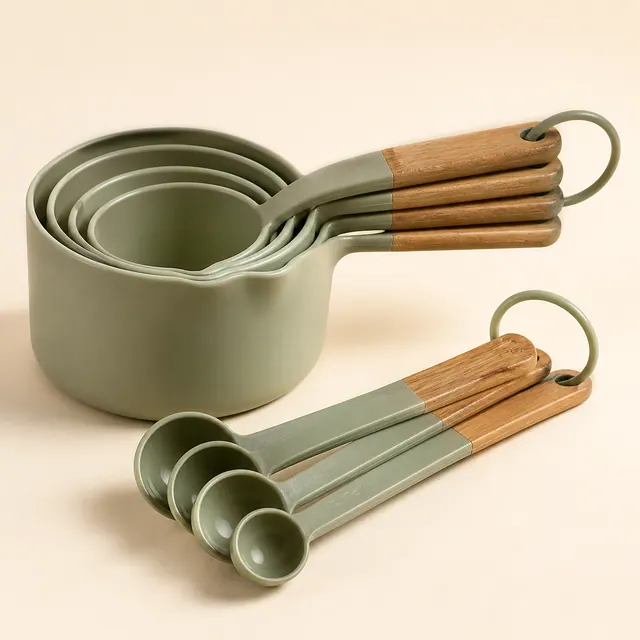
The cup size matters as much as the ingredient: check whether the recipe is American (236.6 ml customary cup), uses the 240 ml labelling cup, or a 250 ml metric cup.
Flour and powdered sugar compress easily. If you scoop straight from the bag instead of spooning and levelling, a cup can weigh noticeably more than the estimate.
For bread and delicate cakes, weigh ingredients whenever the recipe gives grams; use this conversion only when it gives cups alone.